
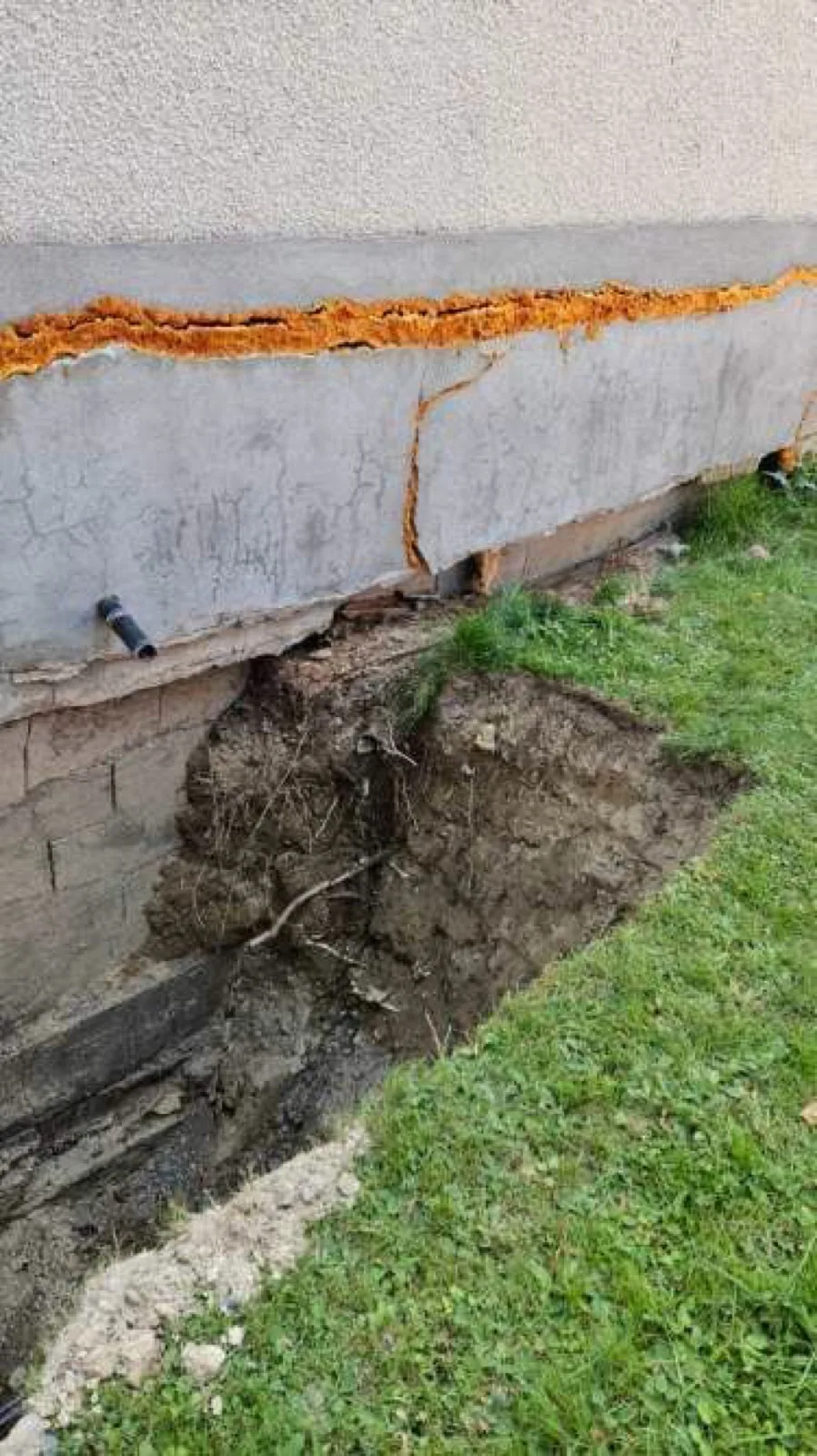
Why This Decision Matters
Moisture problems rarely solve themselves. Picking the correct strategy early prevents recurring leaks, structural stress, and costly rework. The choice often comes down to weeping tile installation on the exterior or an interior drain system tied to a sump. Both can be effective — when matched to the right conditions.
How Exterior Weeping Tile Works
Exterior weeping tile installation targets water before it reaches your basement. Perforated piping is set at the footing, wrapped in geotextile, and surrounded by washed stone. Water is intercepted, directed to a sump or storm outlet, and the hydrostatic pressure against the wall is relieved.
Pairing the drainage with a waterproofing membrane or dimple board protects the foundation wall itself — ideal for long-term resilience in Northern Ontario's freeze-thaw cycles.
Best for exterior weeping tile:
- • Chronic exterior water loading (high water table, poor grading)
- • Clay or silt soils that trap moisture against the wall
- • Homes where you want protection at the source and reduced wall pressure
How Interior Drainage Works
Interior drainage is installed along the inside perimeter of the basement slab and channels water into a sump basin. It does not stop water from contacting the exterior wall, but gives infiltrating water a controlled path away from the space.
Best for interior drainage:
- • Finished yards, tight lot lines, or additions that block exterior access
- • Targeted problem areas or retrofit projects on a timeline
- • Situations where interior finishes are already being updated
Key Factors to Compare
Root Cause
If the wall is under high hydrostatic pressure or showing exterior-related deterioration, exterior weeping tile installation plus membrane protection is usually superior. If leakage appears primarily at the cove joint or slab cracks without exterior access, interior drainage can control symptoms effectively.
Disruption & Access
Exterior work involves excavation and landscaping repair. Interior work means saw-cutting the slab, dust control, and temporary disruption inside. Choose the path that minimizes overall impact on your home and schedule.
Longevity & Risk
Stopping water at the footing with weeping tile installation reduces long-term stress on the foundation. Interior drainage manages water after it passes the wall; it's excellent at keeping spaces dry, but does not reduce exterior pressure.
Cold-Climate Performance
For Sudbury and the surrounding areas, melt-freeze cycles can spike water loads. Exterior weeping tile installation with correct depth, slope, and stone performs reliably through seasonal swings. Interior systems depend more on pump reliability and power backup.
Hybrid Solutions That Win
Many homes benefit from a blended approach: exterior weeping tile installation on the problem sides, interior drainage where access is constrained, plus upgrades like window-well drains, downspout extensions, and grading corrections. Sump redundancy (battery backup and high-water alarm) adds peace of mind.
Common Mistakes to Avoid
- ✗ Skipping geotextile, leading to silting and clogs
- ✗ Inadequate washed stone or improper slope at the footing
- ✗ Interior systems without check valves, freeze protection, or reliable power backup
- ✗ Ignoring surface water management — gutters, downspouts, and grading matter
The Bottom Line
If you want to reduce exterior pressure and protect the structure, exterior weeping tile installation is the gold standard. If you need a targeted, fast retrofit when exterior access is limited, an interior system can deliver a dry, usable space.
Either way, the right design — installed by specialists who understand local soils and seasons — will keep your basement dry and your foundation sound.